

Uncovering Pakistan’s Pollution History: Leveraging Insights for Sustainable Solutions

Published on November 2, 2024
Reading Time: 3 min
The Environmental Legacy: Lessons from Pakistan’s Pollution History
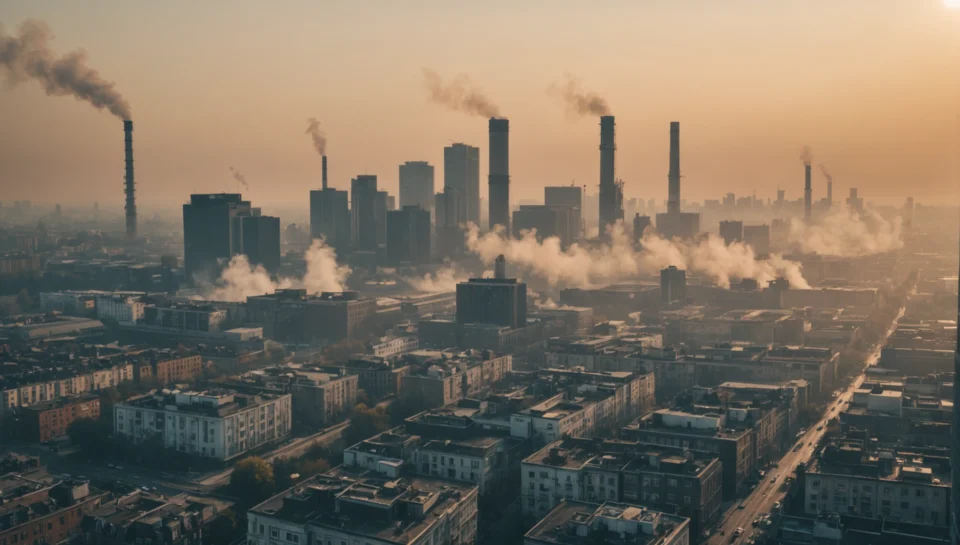
Pakistan, a nation blessed with diverse landscapes and a rich cultural heritage, faces a growing environmental challenge: pollution. Major cities such as Karachi, Lahore, and Islamabad are grappling with air, water, and land pollution, impacting the health and well-being of millions of citizens.
This article explores the historical context of pollution in Pakistan, evaluates the effectiveness of past pollution control measures, proposes sustainable solutions, and highlights notable success stories in pollution mitigation.
Historical Context
Pakistan’s journey with pollution is deeply intertwined with its industrialization and urbanization.
The rapid growth of industries during the 1960s and 1970s led to the discharge of untreated industrial effluents into water bodies and the emission of harmful pollutants into the atmosphere. At the same time, the expansion of urban centers, coupled with inefficient waste management systems, further intensified the country’s pollution challenges.
Past Pollution Control Measures
The Government of Pakistan has implemented various initiatives to address pollution, including:
-
Enacting environmental laws and regulations
-
Establishing environmental protection agencies
-
Promoting cleaner technologies
However, the effectiveness of these measures has been limited due to several factors, including weak enforcement, lack of public awareness, and inadequate funding.
Air Pollution
Air pollution is one of Pakistan’s most pressing environmental concerns, particularly in urban areas.
The burning of fossil fuels, vehicular emissions, and industrial activities contribute significantly to the high concentration of pollutants in the air. These pollutants can lead to respiratory illnesses, cardiovascular diseases, and numerous other health complications.
Water Pollution
Water pollution in Pakistan is primarily caused by:
-
Discharge of untreated industrial effluents
-
Agricultural runoff
-
Domestic sewage entering rivers and water bodies
These activities have degraded water quality, adversely affecting aquatic ecosystems as well as human health.
Land Pollution
Land pollution is largely the result of the improper disposal of:
-
Solid waste
-
Industrial waste
-
Agricultural waste
These practices contaminate soil and groundwater, posing serious risks to both the environment and public health.
Effectiveness of Past Measures
Although the government has taken several steps to combat pollution, the results have been mixed.
Some notable achievements include:
-
Reduction of lead emissions through the elimination of leaded gasoline.
-
Improved air quality in certain regions following the implementation of cleaner fuel standards.
Despite these successes, weak enforcement, limited public awareness, and insufficient financial resources have slowed overall progress.
Sustainable Solutions
Addressing pollution in Pakistan requires a comprehensive and multi-faceted approach.
Strengthening Environmental Regulations
Enforce existing environmental laws more effectively while introducing stricter penalties for environmental violations.
Promoting Cleaner Technologies
Encourage industries and the transportation sector to adopt cleaner and more sustainable technologies.
Improving Waste Management
Develop efficient waste management systems, including recycling and composting programs.
Raising Public Awareness
Educate communities about the causes and impacts of pollution while encouraging environmentally responsible practices.
Investing in Renewable Energy
Reduce dependence on fossil fuels by increasing the adoption of renewable energy sources.
International Cooperation
Collaborate with international organizations and partner countries to exchange knowledge, technology, and resources for pollution control.
Success Stories
Pakistan has experienced several encouraging examples of pollution mitigation.
-
The Lahore Waste Management Company has made significant progress in improving solid waste management throughout the city.
-
Government initiatives promoting cleaner fuels have contributed to improved air quality in selected regions.
These examples demonstrate that meaningful environmental improvements are possible through focused policy implementation and sustained commitment.
Real-Life Stories
Lahore Smog Crisis (2016)
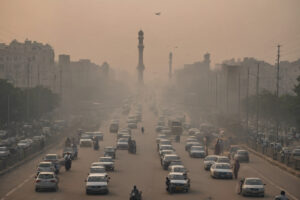
In 2016, a thick layer of smog engulfed Lahore, forcing schools to close and flights to be diverted. The incident drew national and international attention to the city’s severe air pollution problem and highlighted the urgent need for effective environmental action.
Karachi Oil Spill (2018)
In 2018, a massive oil spill along the Karachi coastline polluted the marine ecosystem, causing significant environmental damage and affecting the livelihoods of local communities.
COVID-19 Lockdowns (2020)
During the COVID-19 pandemic in 2020, lockdowns and reduced economic activity temporarily lowered air pollution levels across major Pakistani cities. This period provided a glimpse into the environmental benefits of cleaner air and demonstrated the positive impact of reduced emissions.
Conclusion
Pollution continues to be one of Pakistan’s most significant environmental challenges. However, there is hope for a more sustainable future.
By learning from past experiences and implementing practical, long-term solutions, Pakistan can reduce the environmental impact of its development while creating a healthier, cleaner nation for future generations.
References
- Pakistan Environmental Protection Agency
- World Health Organization
- United Nations Environment Programme
